

Baku, October 7, AZERTAC
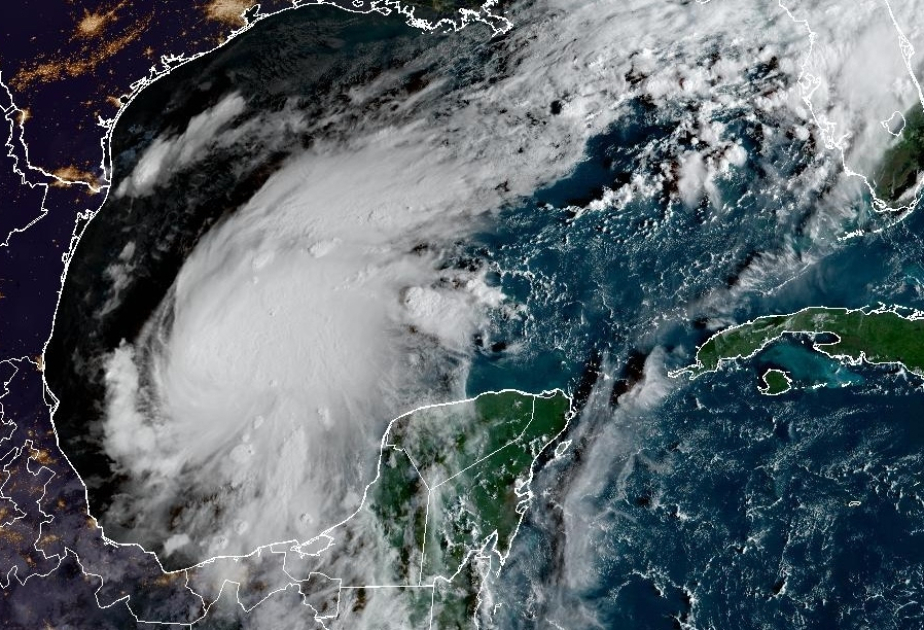
Tropical Storm Isaias has formed in the Gulf of Mexico and looks likely to strengthen into the first Atlantic hurricane of this year, according to BBC.
It is expected to reach hurricane strength by Thursday morning with forecasts suggesting it could then intensify to a category two storm.
It has the potential to bring damaging winds, torrential rain and a storm surge to parts of the US Gulf Coast with landfall expected on Friday or Saturday. Hurricane and Storm Surge Watches have been issued.
Isaias will bring an end to the lack of hurricanes that has led to a record-breakingly quiet Atlantic season so far with development suppressed by the growing El Niño pattern.
In its latest update, the US National Hurricane Center estimates that Tropical Storm Isaias is likely to reach hurricane strength by the start of Thursday. It will intensify further, reaching category 2 by Friday morning.
Parts of Mexico will feel the first impacts as the storm swirls out at sea, with 4in (100mm) of rain possible around the Bay of Campeche and the Yucatan Peninsula, accompanied by strong winds.
Isaias will then make landfall on the Gulf Coast - probably in Louisiana, Mississippi, Alabama or Florida - late on Friday or early on Saturday.
Between 3 and 6in (75-150mm) of rain could fall across the Gulf Coast, from south-east Louisiana to north-west Florida.
A few places could see up to 10in (250mm) with possible flash flooding, especially in urban areas, and the risk of isolated river flooding.
Dangerous winds are anticipated and a storm surge could inundate low-lying coastal areas.
The US National Weather Service has issued Hurricane and Storm Surge Watches along the Gulf Coast.
Florida Governor Ron DeSantis has declared a state of emergency across 25 counties over concerns about potential impacts.
As the storm moves further inland and loses contact with its warm water fuel source it will weaken but it is still expected to bring some potentially disruptive wet weather for large swathes of the south-east USA as far north as the Tennessee Valley and the Carolinas.
Source: azertag.az









 scorpion.az