

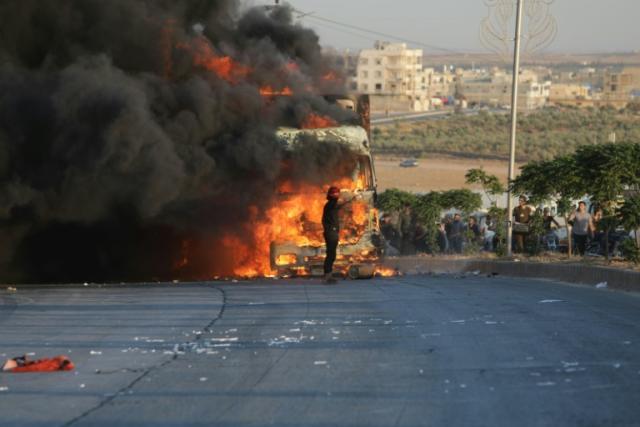
On June 30, violent mass erupted in Turkish Kayseri city after a Syrian national allegedly sexually abused a minor and saw the burning of dozens of businesses and vehicles belonging to Syrians in the province.
As a result, Turkish Interior Minister Ali Yerlikaya said after provocative protests against refugees living in Türkiye. Following riots that targeted Syrians in Türkiye’s central Anatolian province of Kayseri, ultra-nationalist protests filled streets in several other provinces, including Istanbul.
The mass exodus of Syrian refugees to Türkiye following the long-term civil war in the neighboring country significantly boosted public discontent and eroded domestic security in the southern provinces of the country. Throughout these years, numerous violent terror attacks were perpetrated in large urban areas of Türkiye involving the members of Syrian refugee communities. While the recent devastating terror attacks revealed the scale of religious radicalization among Syrian refugees in Türkiye, it also put additional pressure on the ruling Justice and Development Party (AKP).
Given the increasing economic and social burden, in 2023, President Recep Tayyip Erdogan for diplomatic normalization with Syria after years of confrontation. As such, Russia, a staunch supporter of Syria’s Bashar Assad, meetings between defense ministers and intelligence chiefs from Russia, Türkiye, Syria, and Iran the potential normalization between Ankara and Damascus. However, due to political reasons, the diplomatic normalization remained incomplete.
Although the from a prestige problem due to the country’s fragmented posture, it has been invited to the Arab League summits in 2023 as a part of an extended rapprochement with the Arab world. However, after a year of pause, Ankara repeatedly of normalizing ties with Damascus, particularly amid rising outcry within the Turkish society regarding Syrian refugees. The timing of the recent normalization attempts is interesting as the AKP government lost the last municipal elections in Türkiye to the main opposition party of the Peoples' Republican Party (CHP), which critically assessed the government’s refugee policy.
Moreover, , inflation, and tumbling national currency are also core reasons behind the Erdogan government's willingness to mend ties with Syria. The successful normalization adopt a new strategy for the gradual return of refugees to their homes. Indeed, such an attitude would relieve Türkiye's economic crisis, enabling it to alleviate domestic stability in the border provinces.
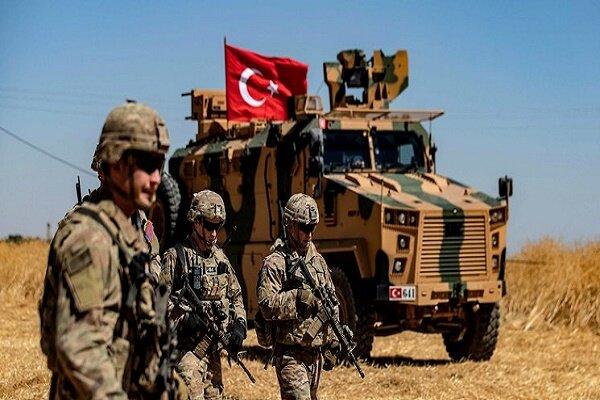
Nevertheless, the Turkish government's positive signal to Damascus coincided with violent protests on both sides of the border, with dozens of people arrested, injured, and killed. Unsurprisingly, the riots against Turkish forces in northern Syrian areas controlled by Turkish-backed rebels. Protesters there were seen burning Turkish flags. Hence, some argued that anger has been simmering within over positive signals Erdogan and Syrian President Bashar al-Assad have sent in the past year regarding the resumption of stalled high-level talks between Ankara and Damascus.
Notwithstanding various factors, for Türkiye, for normalization to completely eliminate terrorist groups like the Kurdistan Workers' Party (PKK), the remnants of the Islamic State (ISIS), and other armed militant groups posing an imminent threat to border security. Since in Syria, the PKK and YPG/PYD attempted to capitalize on chaos and instability by establishing an "independent state" in northern Syria, something that the Assad and the AKP government strictly reacted to.
Source: caliber.az



 scorpion.az
