
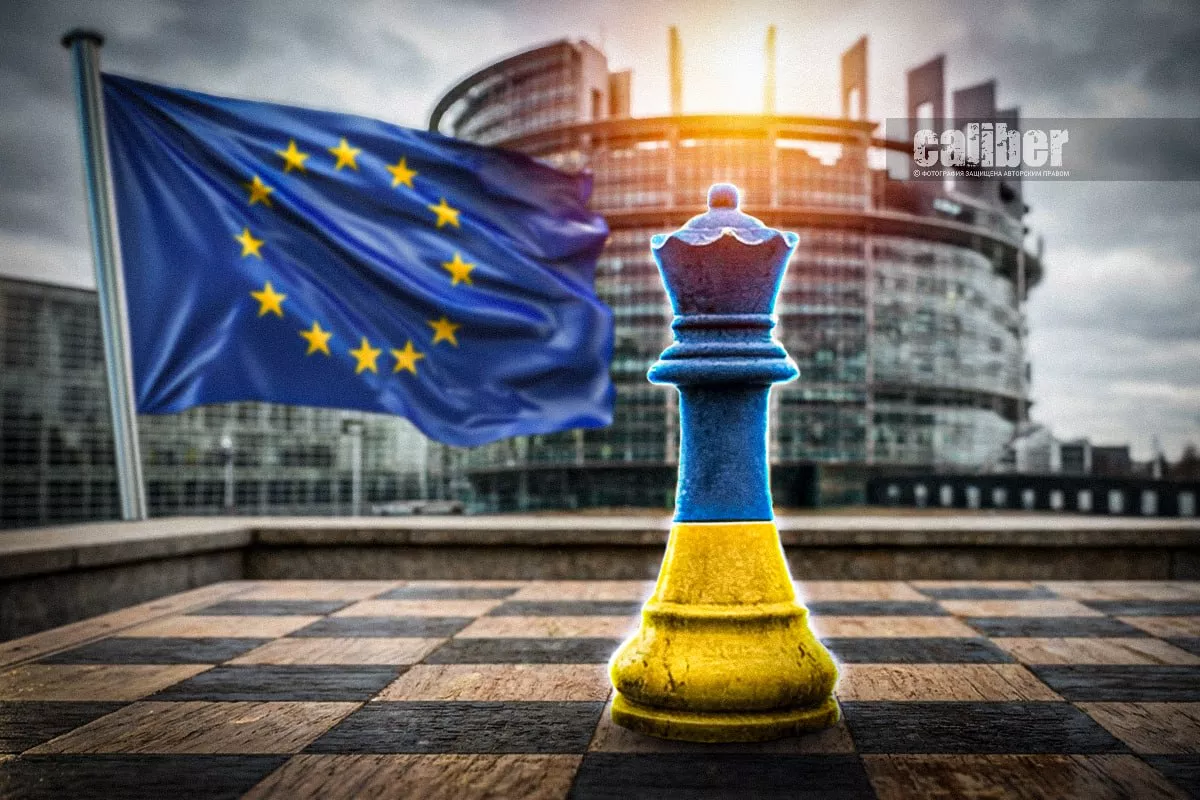
The issue of Ukraine’s accession to the European Union is one of the fundamental topics in the country’s political agenda, and representatives of both the Ukrainian establishment and EU structures periodically make various statements on this matter, often of differing orientations.
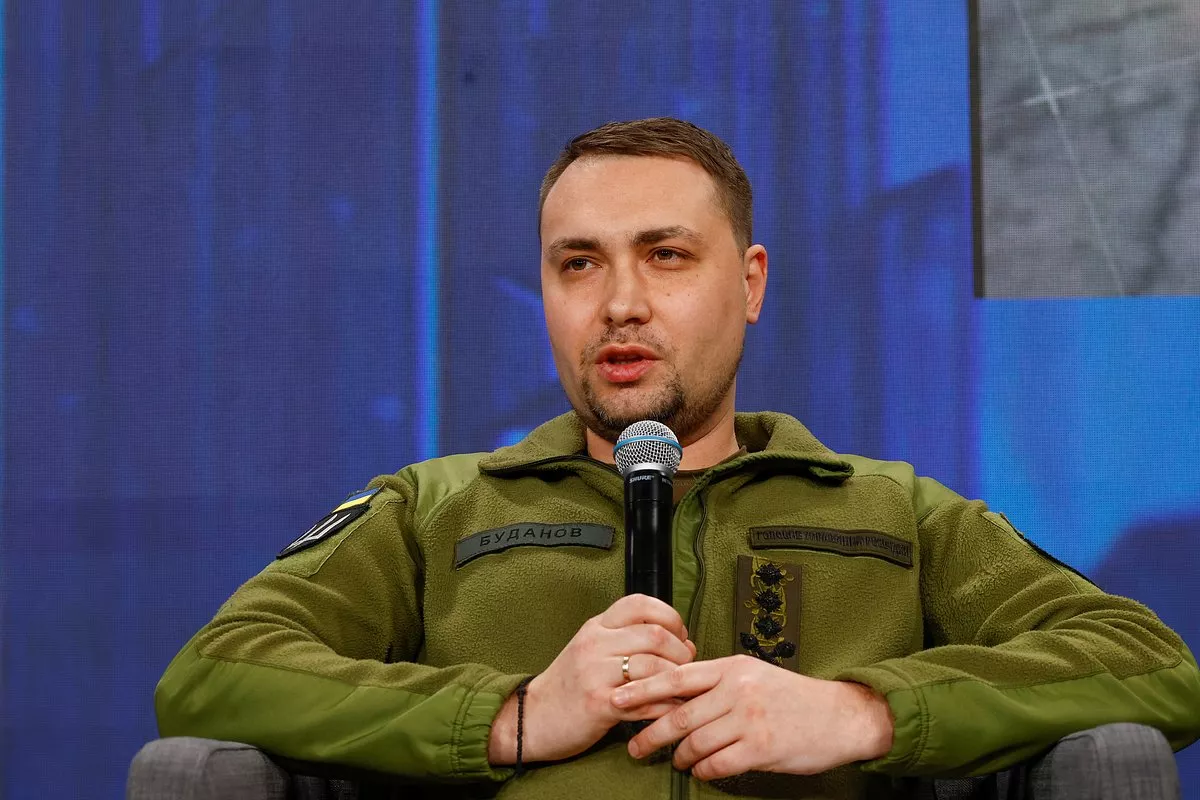
In particular, the head of the Office of the Ukrainian President, Kyrylo Budanov, recently stated that the country cannot “wait 10 years for this event” and called for accelerating the accession process.
“Regarding everything that has been said about the path to the European Union: we must join it, and you all must help us. Ukraine cannot wait 10 years for this event,” he said during a meeting of the International Advisory Group on attracting investment and Ukraine’s economic development.
He also noted that the Ukrainian state will listen to the advice of its partners, but it is important to take into account its unique circumstances: “No country has faced such a situation on its path to the European Union, and excuse me, but Ukraine’s exclusivity must be taken into account in this case. And again, by developing the Ukrainian economy, you will ultimately make a good investment for yourselves.”
At the same time, President Zelenskyy has previously once again demanded that Brussels set a specific date for the country’s accession to the EU, warning that the European Union risks losing Ukraine in the same way it lost Georgia, whose authorities froze the process of European integration.
In light of these statements, the following question arises: “How realistic are the chances of accelerated accession of Ukraine to the European Union, and how is the situation viewed in Ukraine and the EU?” Ukrainian and European political analysts shared their opinions on this topic with Caliber.Az.
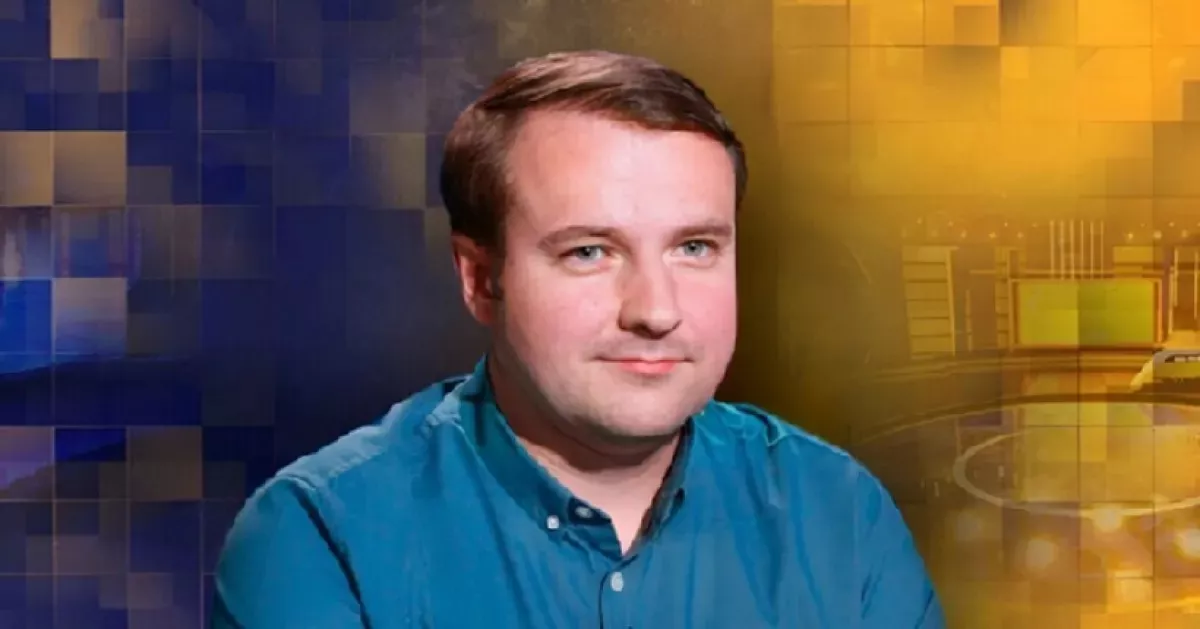
The Ukrainian political scientist, Doctor of Political Sciences Petro Oleshchuk believes that the issue of Ukraine’s accelerated accession to the European Union has several dimensions.
“The most important of them, probably, is that Ukraine is the only country that has sacrificed so much for the sake of joining the EU, starting with the Euromaidan, which itself was a protest against the change in the country’s political direction under President Yanukovych, and ending with the bloodiest war in Europe since the Second World War, which is still ongoing. In other words, Ukraine’s accession to the European Union is not only about economics and reconstruction after the end of the Russian-Ukrainian confrontation, it is also about a fundamental geopolitical choice of the country that must be enshrined.
Putin is waging war in order to restore the Russian Empire, and in his understanding it is impossible without Ukraine. Accordingly, Ukraine must be fought for, without limiting efforts and resources, because if the Ukrainian state becomes a member of the European Union, it will be a direct signal that the Russian Empire will not be restored, and the continuation of the war will simply be a meaningless waste of resources, including human ones. Of course, this may not stop the Russian president, but an important message will still be sent,” he said.
According to him, dissatisfaction with European politicians is growing in Ukraine due to their double standards.
“On the one hand, they declare that Ukraine is part of Europe, yet at the same time they constantly refer to various corruption scandals, even though they themselves have a number of similar issues. For example, it has become known that members of the Bundestag from the Alternative for Germany party will take part in the St. Petersburg International Economic Forum in June, which is held under the personal patronage of the President of the Russian Federation, and it is quite obvious that this involves certain corrupt Russian schemes. However, Europe prefers to ignore such facts and act as if the desire of many European politicians to befriend Putin is a completely normal phenomenon. And it is quite natural that, in this situation, euroscepticism is growing in Ukraine.
At the same time, Ukraine is no longer a supplicant state or an ‘agricultural appendage’ whose accession to the EU would only create problems for European grain producers. Today, Ukraine has substantial experience in conducting combat operations and producing drones. This could be used to help ensure Europe’s security, which is particularly relevant at a time when the United States is increasingly distancing itself from European security issues, and when NATO’s future faces a serious threat.
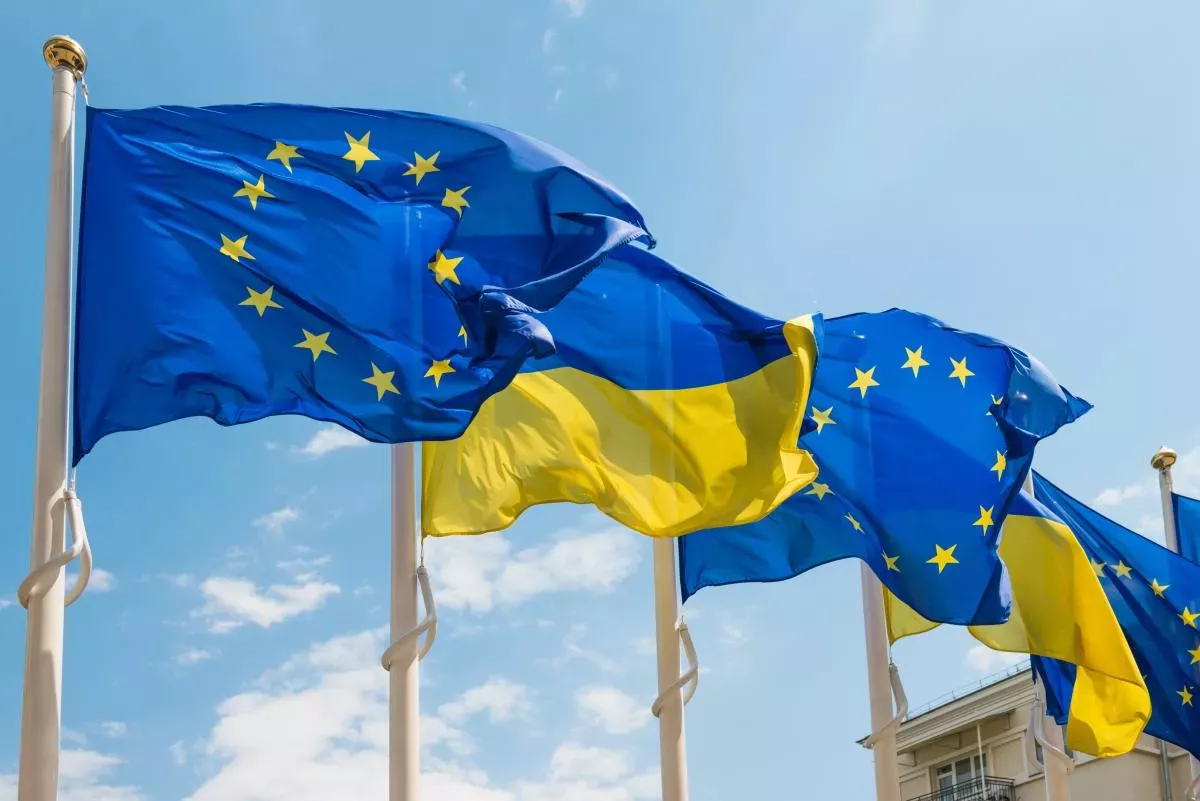
Thus, Ukraine is potentially an important element of European security, and this factor can be used to justify the need for its accelerated accession to the European Union. However, at present Kyiv has no official obligations toward EU countries regarding their security or assistance in the event of an escalation of a military conflict.
In other words, hypothetically, if, for example, the Russian–Ukrainian war were to end tomorrow, Russia would have more freedom of action to carry out aggression against any European country, while Ukraine would not be obliged to participate in their defence in any form.
For this reason, I believe the EU could make a principled political decision on Ukraine’s accession to the Union under an accelerated procedure. Let it not happen immediately and may take several years, but the decision must be taken very soon and without deliberate delays, as this is necessary for both Kyiv and Brussels,” said Oleshchuk.
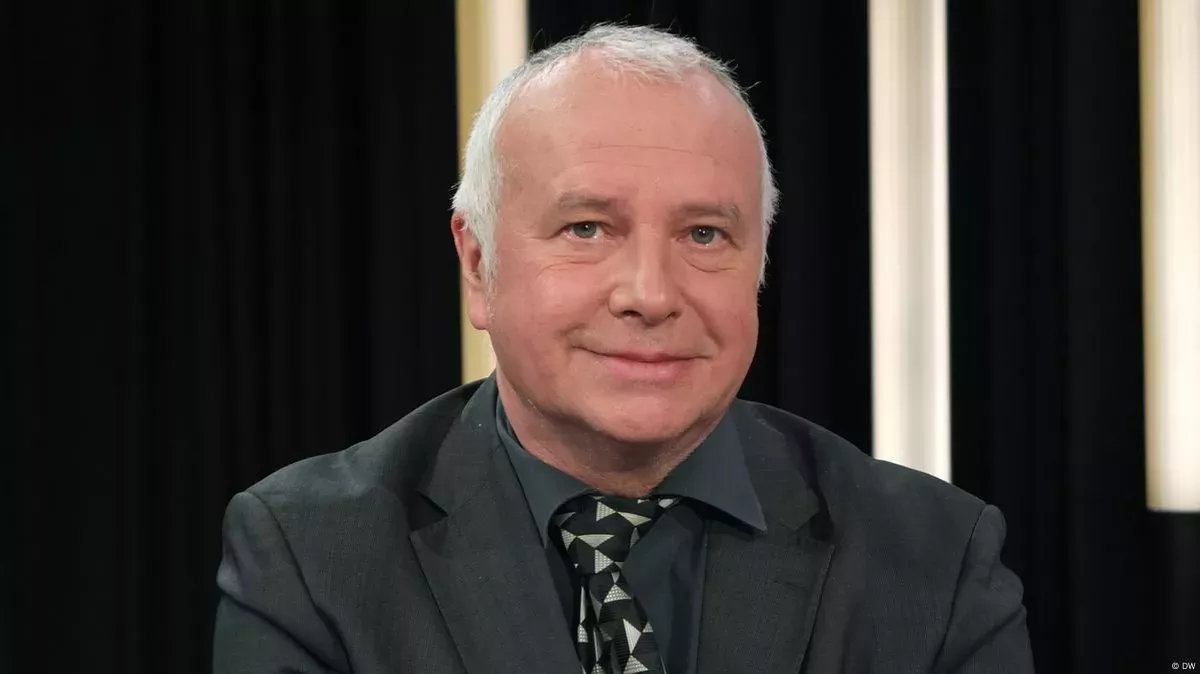
Meanwhile, according to German political analyst Alexander Rahr, Ukraine is objectively not ready to join the European Union because it is not attempting to meet the necessary criteria required to obtain this status.
“Other states sought and continue to seek accession to the EU through serious reforms aimed at bringing their economies into line with the organisation’s standards. But Kyiv, presenting Europeans with a ‘bill’ for the Russian–Ukrainian war, is demanding that the country be admitted into the Union as it is, based on the narrative that Ukraine is protecting Europe from a militaristic Russia. However, not everyone in the European Union shares this view.
With this in mind, I think some kind of compromise will be reached, and Ukraine will become a sort of EU protectorate — not a full-fledged member, but ‘almost’ one. However, even with such a status, it would have to agree to many EU demands, such as, for example, Greece did during the crisis of the 2010s, including external governance from Brussels.
One way or another, whether through full membership or a reduced status within the European Union, this has been promised to Ukraine after the signing of a peace treaty with Russia as a kind of political compensation, and Kyiv is well aware of this,” Rahr concluded.
Source: caliber.az
 scorpion.az