

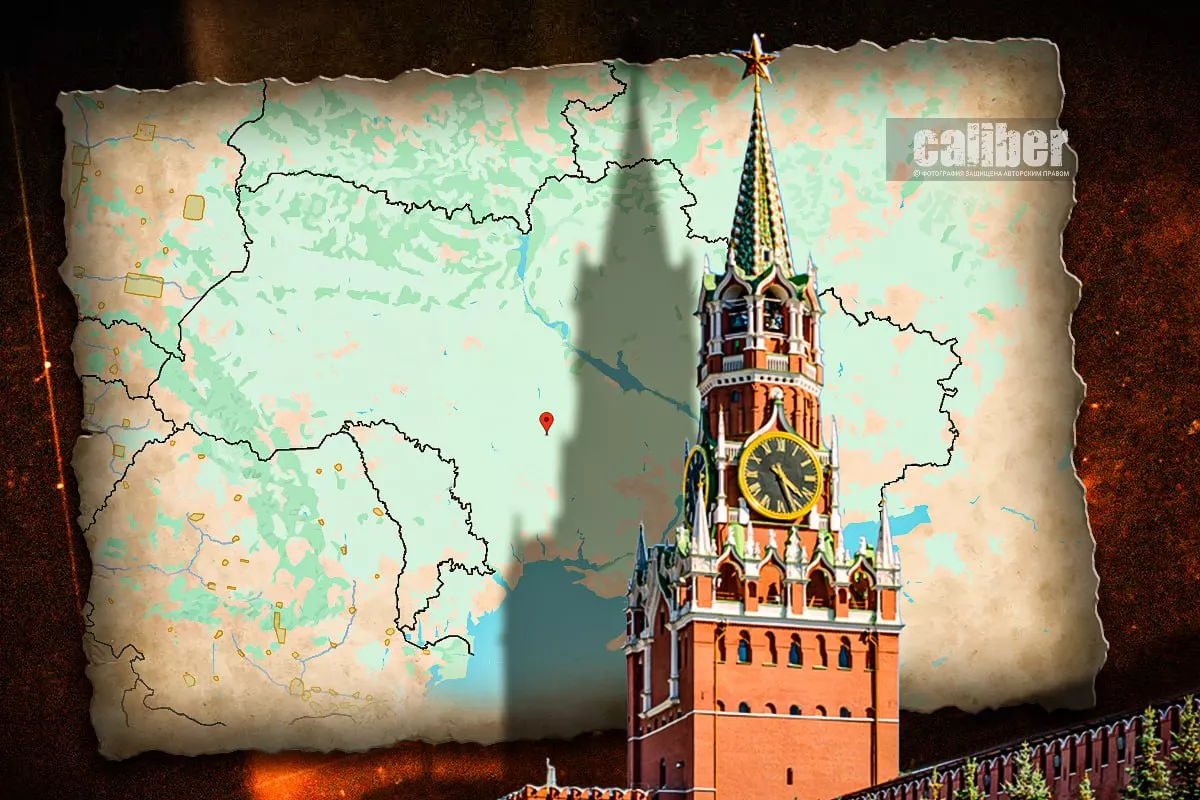
Reports about a possible end to the hot phase of the war by November have become one of the most telling episodes of recent Ukrainian domestic politics. This is especially significant given how the information emerged, who voiced it, and the broader political context in which it unfolded.
First, Ukraine Context, a media outlet close to the Office of the President of Ukraine, reported that during a meeting with members of the Servant of the People faction, Volodymyr Zelenskyy expressed “high hopes” that the “hot phase” of the war could end by November this year. Later, this information was effectively confirmed by Member of Parliament Olha Vasylevska-Smahliuk, who clarified that this referred to a possible scenario contingent on security guarantees for Ukraine.
However, what is important in this story is not only the statement itself, but also what was not said. There was no answer to the key question: on what terms could the war end? Where would the line of demarcation run? What would happen to the occupied territories? What security guarantees would be acceptable to Kyiv? Is Ukraine ready to abandon some of the demands that were previously declared fundamental? And most importantly, how would such a scenario affect the political future of Zelenskyy and his team?
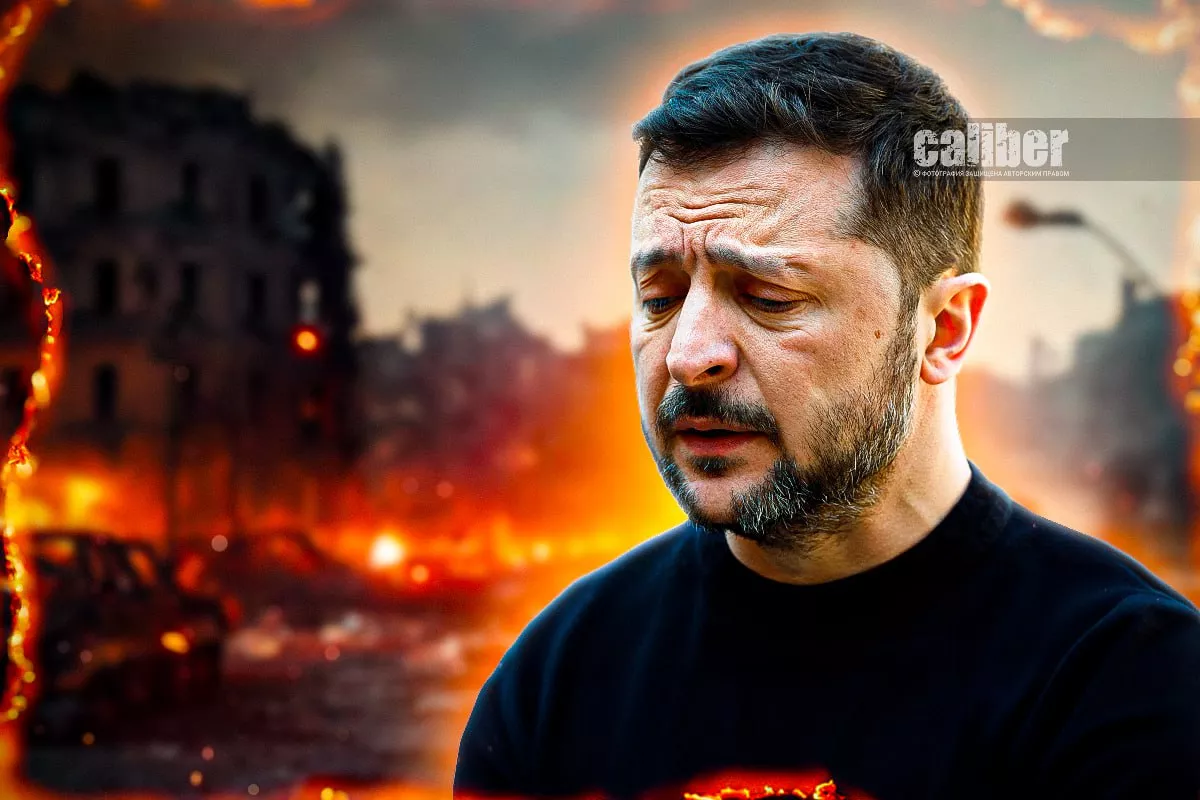
The absence of answers to these questions turns such informational leaks into an element of political technology rather than a serious diplomatic strategy. Ukrainian society has repeatedly been offered emotionally charged political formulas instead of a hard conversation about reality. It is enough to recall numerous statements by officials from Bankova about a “return to the 1991 borders” and even “soon drinking coffee in Yalta.” All of this was presented not as political rhetoric, but as a practically guaranteed scenario of future developments.
Today, however, a very different information background is gradually taking shape. And this is not only about the situation on the front line. Questions directed at the Ukrainian authorities are rapidly accumulating both inside the country and abroad. Particularly sensitive remains the issue of Ukraine’s preparedness for Russia’s full-scale invasion in February 2022. In this regard, the statement made by former acting mayor of Chernihiv Oleksandr Lomako at a meeting of the temporary investigative commission of the Verkhovna Rada is highly indicative.
According to him, Chernihiv received no official instructions or directives from the central authorities regarding preparations for a possible invasion—neither in December 2021 nor in January–February 2022. This effectively points to a lack of systematic coordination between Kyiv and the local authorities in a strategically important border region.
Chernihiv, after all, became one of Ukraine’s key shields in the first weeks of the war. The city endured extremely heavy bombardments and effectively covered the approach toward Kyiv. However, the heroism of Chernihiv’s residents and defenders does not negate another fact: the country entered a full-scale war without sufficient preparation of civilian infrastructure and without clear response protocols for the regions. And this is now being acknowledged not only by opposition politicians but also by representatives of local authorities.
Against this backdrop, old questions are once again resurfacing regarding the circle around Zelenskyy, first and foremost, the former Head of the Office of the President, Andriy Yermak. Within Ukrainian expert circles, the issue of his contacts with former Deputy Head of the Russian Presidential Administration Dmitry Kozak on the eve of the invasion has long been discussed. Many analysts argue that it was precisely Bankova’s confidence that a full-scale war would not happen that contributed to the country’s insufficient preparedness. Was Yermak misled by the Russian side? Or did the Ukrainian leadership deliberately ignore warnings from its allies? There is no definitive answer. However, another fact has already become historical: the United States, the United Kingdom, and other partners openly warned Kyiv about the high probability of an invasion. And Zelenskyy publicly questioned such forecasts. And millions of Ukrainians believed him.
The consequences of this choice became a tragedy for a vast number of people, including the residents of Bucha, Irpin, Hostomel, and other settlements in the Kyiv region. Against this backdrop, particular attention is once again being drawn to figures within the ruling party. Olha Vasylevska-Smahliuk, for example, was elected from a constituency that included Bucha and Irpin. And it was representatives of the authorities who were later criticised for early-war statements claiming that the situation was under control and that mass evacuation was not necessary.
Legally, it is impossible to assign responsibility for the tragedy in Bucha to individual Ukrainian politicians—the primary responsibility lies with Russia and the Russian military. However, political responsibility for mistakes, miscalculations, and public messaging to society is an entirely different matter. And this issue is becoming increasingly relevant today.
This is especially true against the backdrop of new corruption scandals involving Zelenskyy’s inner circle. Particular resonance was caused by reports concerning the “Dynasty” cottage cooperative in Kozyn near Kyiv. According to Ukrainska Pravda, cottages there were being built for Zelenskyy himself, Andriy Yermak, former Deputy Prime Minister Oleksiy Chernyshov, and businessman Timur Mindich. Public reaction has been particularly sensitive to the fact that construction continued even after the start of the full-scale war and the tragedy in Bucha.
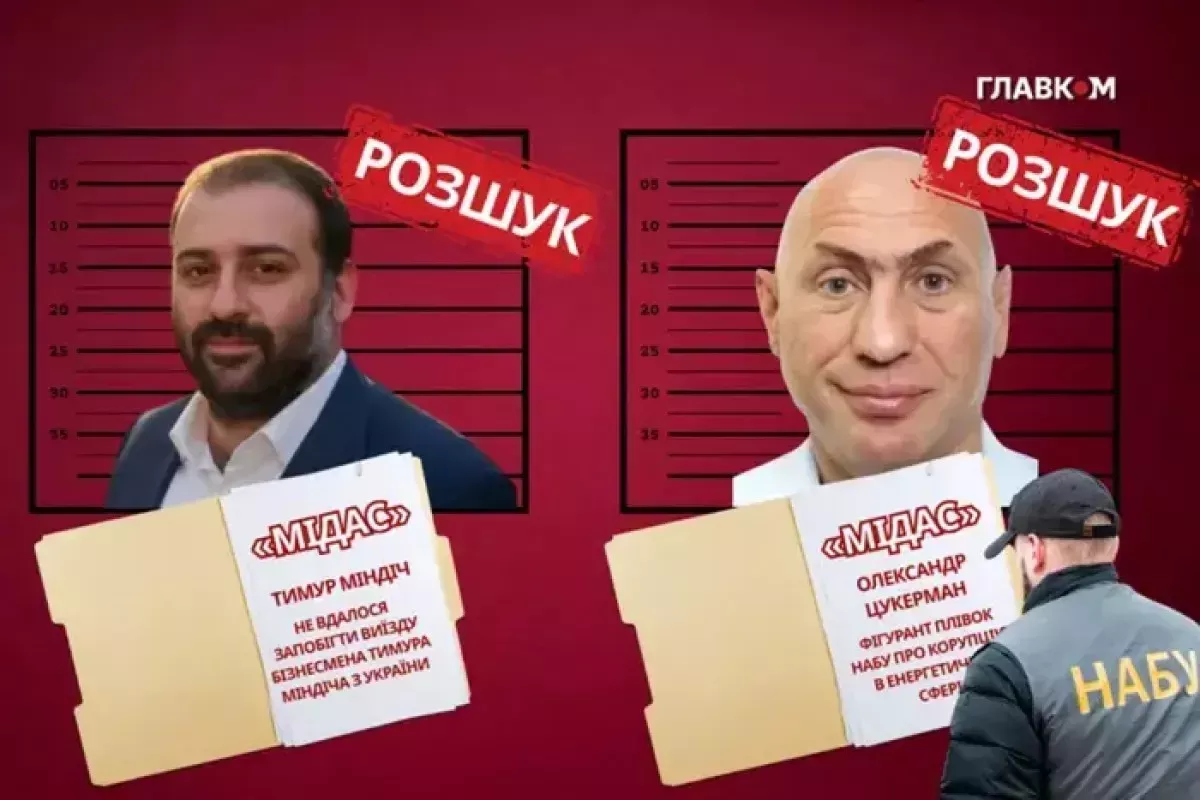
An even more alarming signal has been the publications by the German newspaper Die Zeit regarding the NABU investigation within the framework of Operation “Midas”. According to the publication, the corruption scandal involves representatives of Ukraine’s top leadership and is causing serious concern among Kyiv’s European partners. It is reported that German Chancellor Friedrich Merz personally discussed this issue with Zelenskyy. Similar signals were allegedly conveyed by Emmanuel Macron, Keir Starmer, and Ursula von der Leyen.
All of this is unfolding against the backdrop of growing fatigue in the West over the war and a gradual shift in sentiment among Ukraine’s allies. Particularly indicative is a The Telegraph report stating that five NATO member states opposed NATO Secretary General Mark Rutte’s initiative to guarantee annual allocations of 0.25% of member states’ GDP for military assistance to Ukraine. Those opposed included the United Kingdom, France, Italy, Spain, and Canada—the very countries whose leaders simultaneously demand greater transparency from Kyiv and investigations into corruption scandals.
This is a highly significant point. While Western support for Ukraine remains strong, European societies are increasingly beginning to question the cost of the war, the prospects for the conflict, and the effectiveness of how allocated funds are being used.
This is precisely why the current information leaks about a “possible end of the war by November” look less like a coherent strategy and more like an attempt by Bankova to adapt to a changing reality. The problem for Zelenskyy is that Ukrainian society today is in a very different psychological state compared to 2022 or even 2023. People are tired. People want to understand the real prospects. People want to know the price of a possible peace.
And most importantly, society is gradually beginning to ask questions not only about Russia’s actions, but also about the responsibility of its own government. Yes, Ukraine continues to resist heroically. Yes, the primary cause of the war remains the Kremlin’s decision to launch the invasion. But this no longer negates the need to analyse the Ukrainian leadership’s own mistakes—from failures in war preparedness to corruption scandals during the conflict.
This is why any talk of a near-term end to the war without explaining the conditions for peace is increasingly perceived not as a strategy, but as a form of political marketing. Especially after society has already repeatedly encountered overly optimistic promises that did not match reality.
Source: caliber.az

 scorpion.az