


President of Azerbaijan Ilham Aliyev, during a recent meeting dedicated to agricultural issues, voiced an important geopolitical point, drawing attention to the growing number of countries seeking cooperation with Baku. The head of state explained this trend by referring to Azerbaijan’s strong reputation and positive international image, which has already earned it recognition as a middle power.
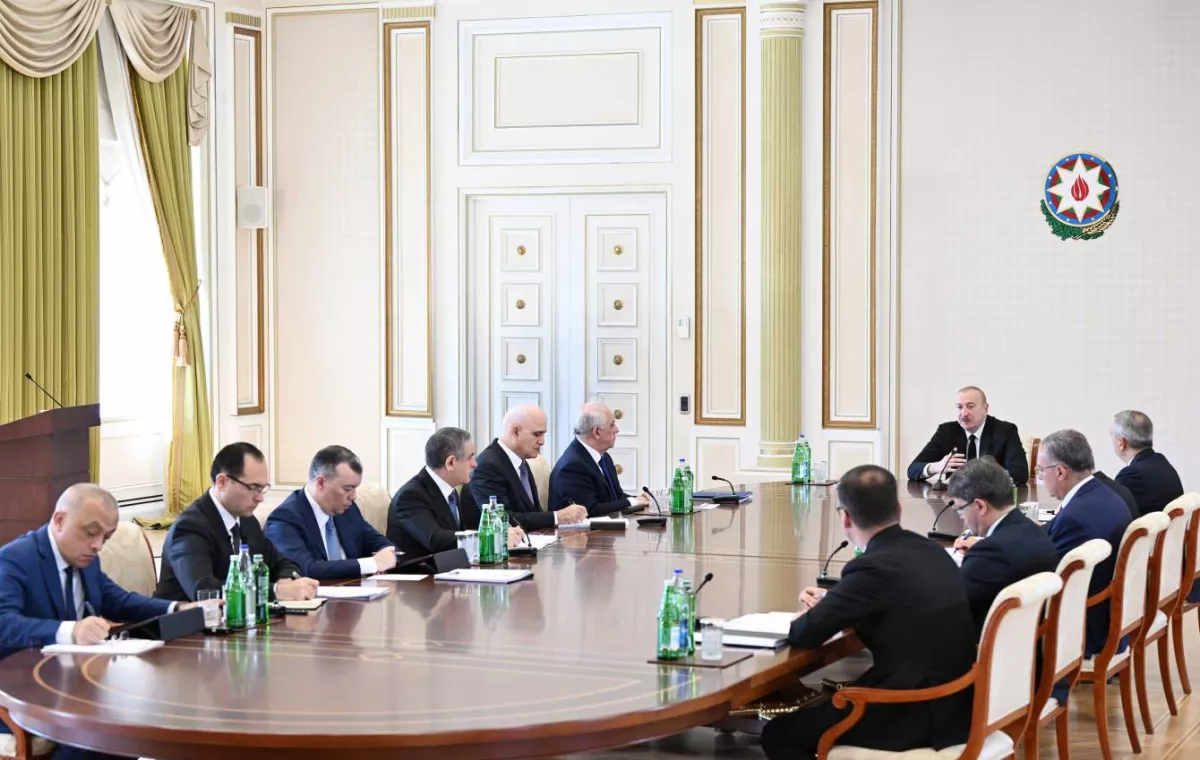
In March of this year, during the 13th Global Baku Forum, Hikmet Hajiyev, Assistant to the President and Head of the Foreign Policy Affairs Department of the Presidential Administration, expressed regret that in some cases, when the term “middle power” is used, it is primarily associated with a country’s military capabilities or territorial size. However, Azerbaijan, which defines itself as a “middle power,” does not view this as competition in terms of military strength, since for Baku the concept of a middle power signifies a problem-solving approach, including a readiness to contribute to both regional and global agendas.
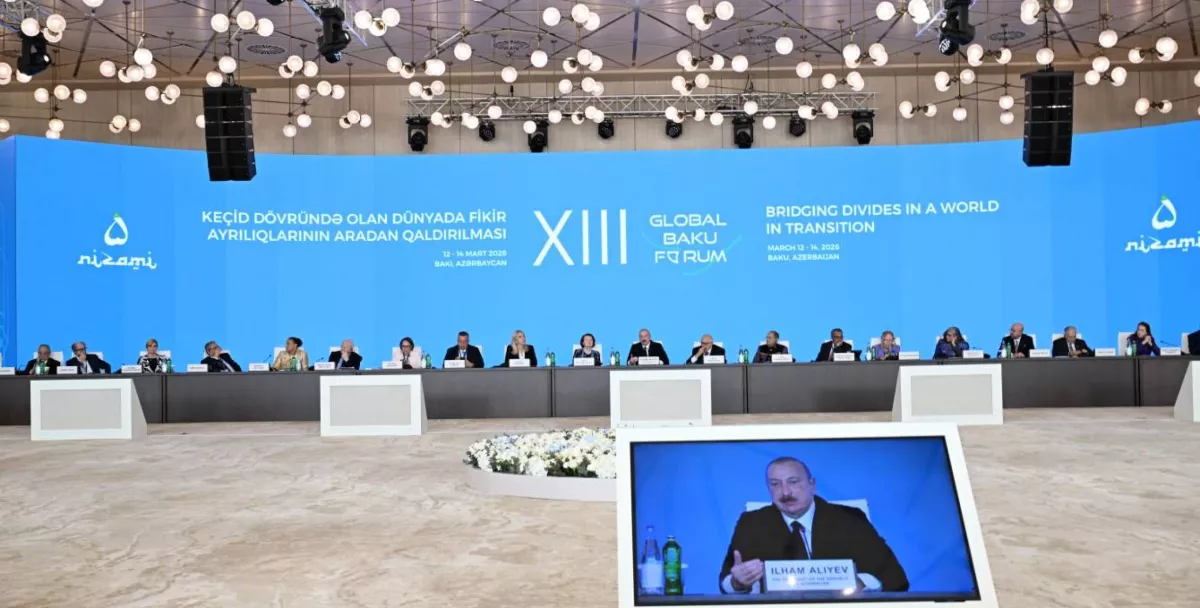
At the same forum, President Ilham Aliyev emphasised that Baku had restored its sovereignty and territorial integrity by its own means, and subsequently proposed peace to the defeated adversary. In this context, Azerbaijan is ready to share its unique experience with the international community, especially as the outcome fully corresponded to international law. Moreover, at the current historical stage, our state is an indispensable partner within the East–West and North–South corridors, ensuring, among other things, critical transit routes for many countries.
In other words, in the context of “middle powers,” the emphasis is placed not so much on a country’s geographic size, population, or natural resources, but rather on its approach to global politics. This, in essence, aligns with the definition of a middle power offered as early as the 16th century by Giovanni Botero, the mayor of Milan and a scholar of political geography, who described such a state as an actor possessing “sufficient strength and authority to stand on its own without the need for help from others.”
From this perspective, analysts include, alongside Azerbaijan, countries such as Türkiye, Kazakhstan, Uzbekistan, Saudi Arabia, Indonesia, Brazil, and several others in the cohort of “middle powers.” At the same time, each of these states has followed its own distinct path towards becoming a country of this type.
As early as 2011, President Ilham Aliyev outlined the foundations of Azerbaijan’s emergence as the state it is known as today on the global stage, pointing to the period of 1993–2003. It was during the presidency of the National Leader, Heydar Aliyev, that the foundations of statehood were laid. Thanks to his oil and gas strategy, it became possible to speak of energy security, which ensured Azerbaijan’s economic independence and, in turn, shaped its political independence. As a result, Baku pursues a genuinely independent policy, serving the interests of the Azerbaijani people and not directed against any other party.
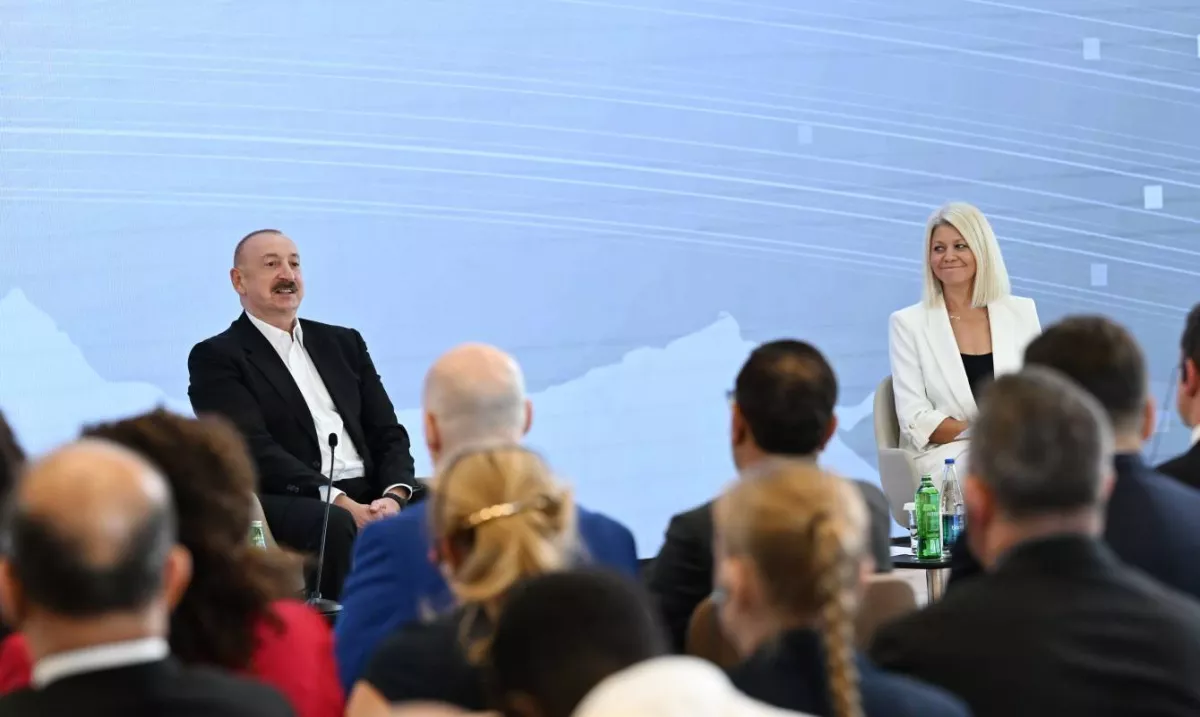
In 2025, the head of state drew attention to the fact that Azerbaijan is one of the few countries simultaneously represented in both European and Muslim organisations. At the same time, defining the protection of national interests as a fundamental pillar of Azerbaijan’s policy, he emphasised the importance of always trying to “look at the situation through the lens of your neighbor.”
Even the facts outlined above clearly demonstrate the reasons for Azerbaijan’s place among serious “middle powers,” which—against the backdrop of the lack of backbone in certain countries that like to describe themselves as a “blossoming garden”—are beginning to shape key trends of the modern world. This also includes multilateral solutions, such as creating conditions for dialogue between cultures, civilisations, and religions. In this context, words are consistently followed by action, and President Aliyev’s statements are trusted in the same way as his signature.
This, in turn, strengthens the country’s international authority, enabling Baku to serve as a unique platform for hosting major global forums such as COP29 and WUF13. Naturally, this would not have been possible if Azerbaijan were not capable of independently ensuring security and stability within the country, without reliance on any external “security umbrellas.” At the same time, Baku successfully manages these same issues in the context of the uninterrupted functioning of key transport routes and supply chains.
Thus, against the backdrop of ongoing geopolitical turbulence, Azerbaijan projects a message of constructive engagement to the world. Moreover, this is done not only at the level of declarations but also in practical terms, most clearly demonstrated in the Karabakh Economic Region and East Zangezur. In this context, as noted, Baku is ready to share its own experience.
Consequently, a period is emerging in which middle powers will play a decisive role in shaping the course of world history.
Source: caliber.az







 scorpion.az